CBCG Delegation Visits Bundesbank: Strengthening Bilateral Cooperation and Supporting the CBCG’s European Agenda
24/02/2026
A delegation of the Central Bank of Montenegro (CBCG), led by Governor Dr Irena Radović, visited the Deutsche Bundesbank, reaffirming the strong and long-standing cooperation between the two institutions and advancing Montenegro’s alignment with the European System of Central Banks (ESCB).
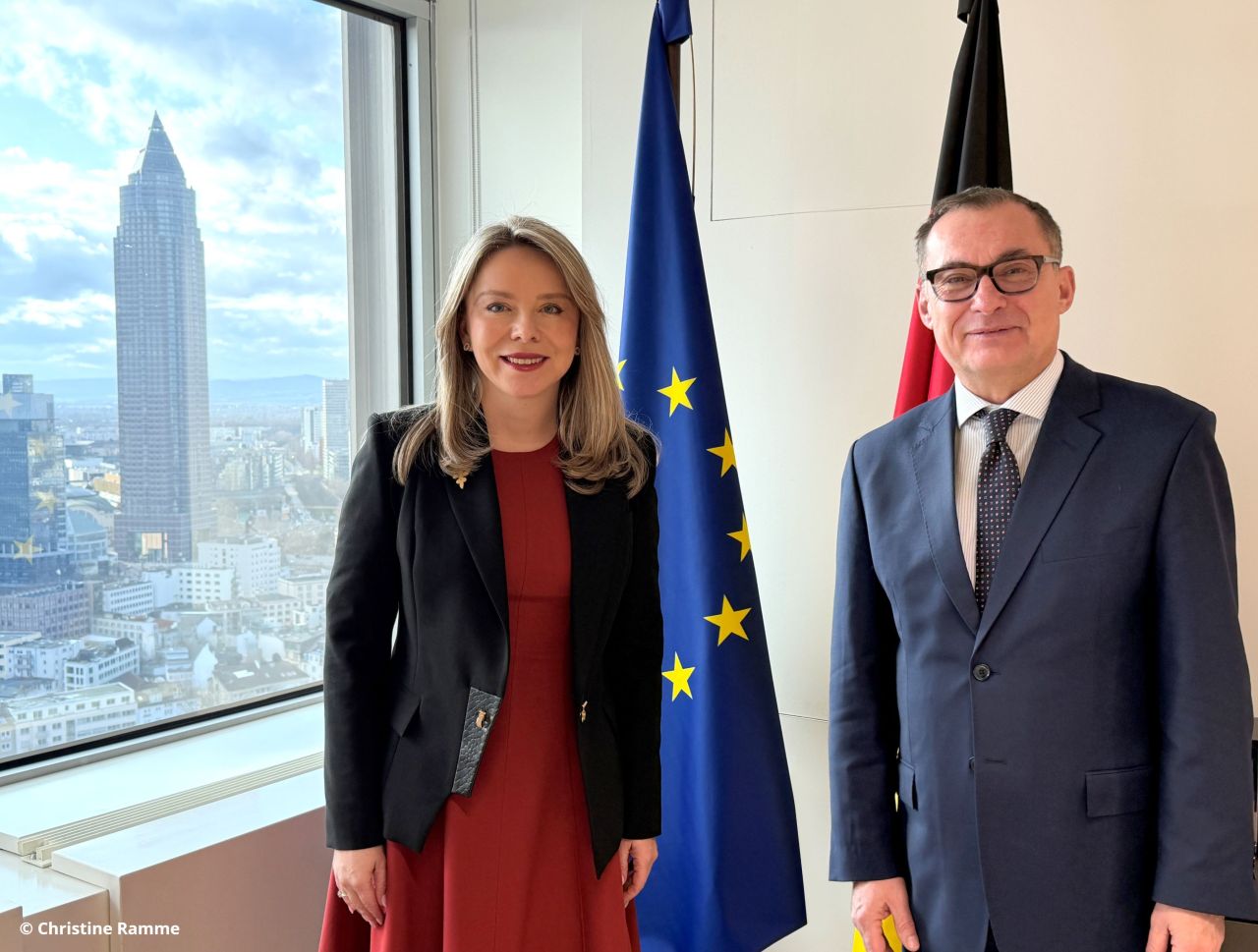
During the visit, Governor Radović met with Bundesbank President Dr Joachim Nagel and presented CBCG’s progress in regulatory, supervisory, and operational convergence with EU and ESCB standards, including key milestones in payment systems integration such as SEPA implementation and the TIPS clone, as well as next steps in strengthening institutional and operational readiness.
Governor Radović emphasised that the long-standing cooperation with the Deutsche Bundesbank represents a cornerstone of CBCG’s European path: “Progress towards ESCB readiness requires more than formal alignment. It requires strong institutions, operational credibility, and unwavering integrity. Through our cooperation with the Deutsche Bundesbank, we are strengthening the institutional foundations that ensure Montenegro’s integration is both timely and fully functional from day one.”
This cooperation is anchored in long-standing EU-supported regional programmes led and coordinated by the Deutsche Bundesbank, bringing together ESCB central banks, the European Central Bank, and the European Commission to strengthen institutional, supervisory, and operational capacities across the Western Balkans. These initiatives directly support central banks in preparing for ESCB integration through the transfer of European standards, enhancement of analytical tools, and strengthening of governance, financial stability, and payment systems frameworks, including alignment with European payment infrastructures and instant payment solutions.
Particular attention was also given to ongoing Deutsche Bundesbank-led cooperation in the area of financial services, notably through the Twinning Project “Support to Regulation of Financial Services in Montenegro”, which aims to advance alignment with the EU acquis by further strengthening the regulatory framework and supervisory practices of the Central Bank of Montenegro and the Insurance Supervision Agency. The project provides a structured and results-driven platform for aligning regulatory and supervisory frameworks with EU standards, thereby supporting Montenegro’s fulfilment of its obligations under Chapter 9 on Financial Services and reinforcing overall institutional readiness.
Governor Radović also held a meeting with Bundesbank Executive Board Member Mr Burkhard Balz, focusing on the modernisation of payment systems, digital innovation, and the evolving role of central banks in the digital era.
As part of the visit, the CBCG delegation participated in a particularly valued high-level Digital Euro study programme organised by the Deutsche Bundesbank. The programme addressed key aspects of the digital euro project, including policy objectives, system architecture, distribution models, rulebook development, and implications for financial intermediation and bank liquidity.
The visit reaffirmed the importance of continued bilateral cooperation through technical assistance, expert dialogue, and joint programmes supporting CBCG’s ESCB readiness and operational integration. It reflects CBCG’s structured and results-driven engagement with leading Eurosystem central banks under the Needs Assessment Project, with the Deutsche Bundesbank, De Nederlandsche Bank and the National Bank of Belgium providing strong and valued support in advancing institutional and operational transformation of the CBCG. Burkhard Balz concluded: “The Western Balkans are not just our neighbours – they are an integral part of our European family. The region’s stability, economic progress, and path towards EU integration are of great strategic importance for all of Europe.”